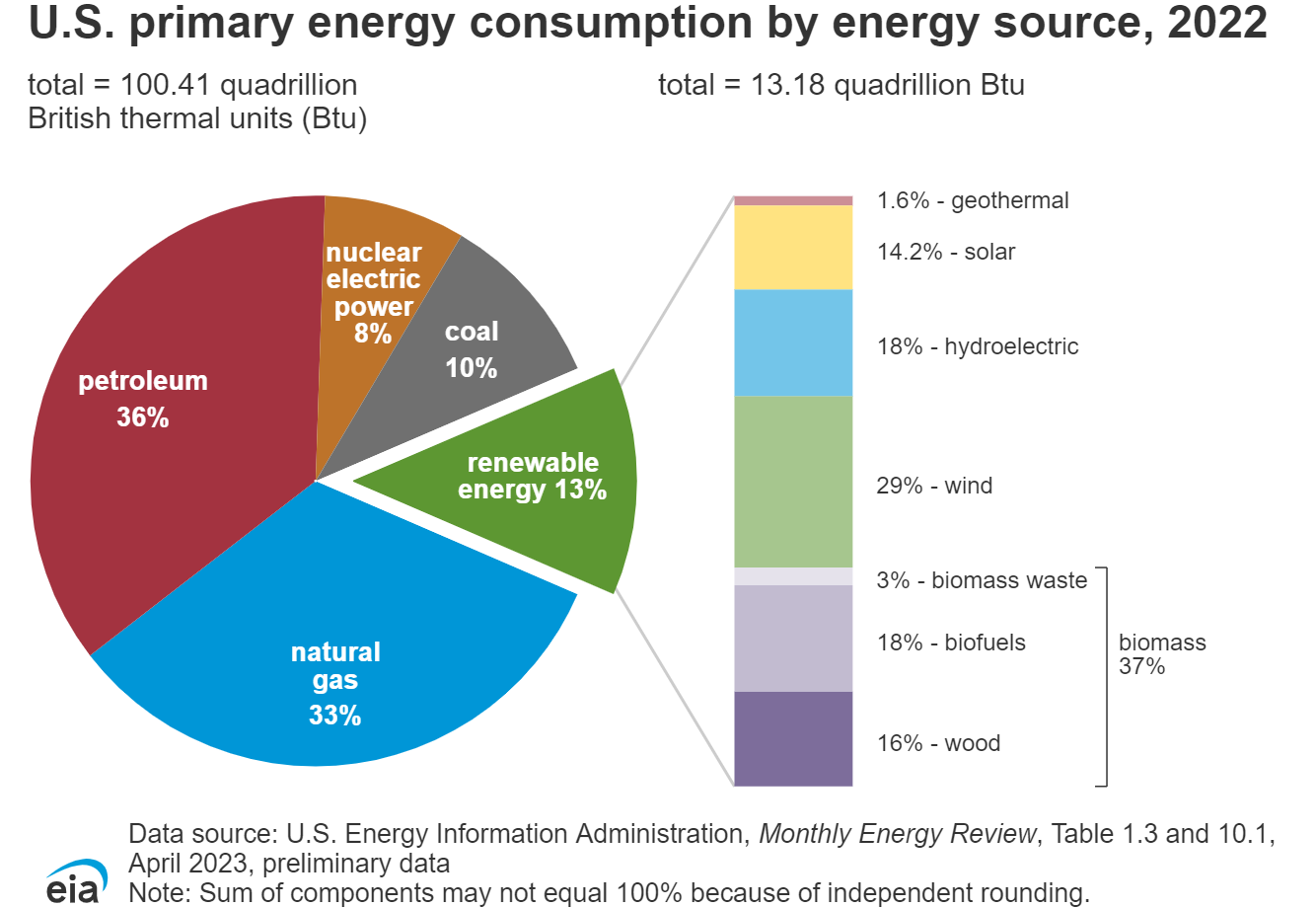
Energy is the fundamental bedrock of modern civilization, serving as essential for economic prosperity, technological advancement, and the maintenance of daily life. Yet, the generation, distribution, and consumption of energy impose varied impacts on the environment. It is important to recognize that no single energy source is entirely devoid of unfavorable effects. Therefore, the pursuit of the best energy strategy requires a rigorous, objective comparison of the benefits and drawbacks inherent in each technology, rather than the search for an impact-free outcome.
Nonrenewable energy sources, such as coal, petroleum, and natural gas, have long been prized for their ability to provide reliable, high-density power. However, their extraction and combustion processes are linked to significant environmental degradation. The extraction of these resources, facilitated by techniques like hydraulic fracturing and horizontal drilling, expands access to previously unreachable underground deposits but simultaneously introduces localized risks of land disruption, groundwater contamination, and seismic activity. Furthermore, the combustion of fossil fuels remains the primary driver of anthropogenic greenhouse gas emissions, directly contributing to global climate change and widespread atmospheric pollution.
Renewable energy sources present an alternative option, yet they are accompanied by their own distinct set of advantages and challenges. Technologies such as wind and solar power generate electricity with minimal to no greenhouse gas emissions during operation, representing a critical shift away from carbon-intensive energy. A downside being their variability being dependent on meteorological conditions and diurnal cycles requires sophisticated grid management and energy storage solutions. Hydropower, while offering reliable electricity, can cause substantial disruption to aquatic ecosystems, altering river hydrology and jeopardizing biodiversity. Similarly, biomass can convert organic matter into usable energy, but its net environmental performance is heavily reliant upon production methods, land-use impacts, and combustion efficiency. Geothermal energy provides a stable, low-emission power source, yet its viability is geographically constrained to areas with specific geological characteristics.
To objectively evaluate these technologies, analysts often utilize the metric of Energy Return on Investment (EROI), which quantifies the ratio of usable energy delivered by a source to the energy invested in its extraction, processing, and infrastructure. A high EROI is essential for long-term societal viability, as it shows the efficiency with which a society can power its activities. Alongside production efficiency, management is important. Implementing energy efficiency measures such as adopting LED lighting, enhancing building insulation, utilizing high-efficiency appliances, and optimizing operational patterns can reduce energy demand without requiring radical lifestyle changes.
Small modular reactors (SMRs) represent a potential technological advancement, offering modular, factory-fabricated designs that may enhance safety, reduce construction timelines, and provide reliable, base-load electricity to complement intermittent renewables. Researchers suggest they could also facilitate carbon-free industrial processes, such as hydrogen production and water desalination. However, like traditional nuclear power, SMRs require careful consideration of significant challenges, including radioactive waste management, high capital costs, stringent regulatory hurdles, and public concerns regarding safety and security.
Formulating an effective energy strategy requires evaluating these options against a consistent criteria. Life-cycle greenhouse gas emissions, local pollution profiles, operational reliability, EROI, economic costs, safety standards, land and water footprint, and social impact on local communities. An optimal approach will likely be a decentralized, diversified energy portfolio tailored to local conditions and needs. While trade-offs are often unavoidable as energy demand remains elevated, the use of diverse sources, combined with aggressive efficiency improvements and waste reduction, offers the most compatible pathway to mitigating the environmental harms of energy production while sustaining the demands of a modern society.
(567)