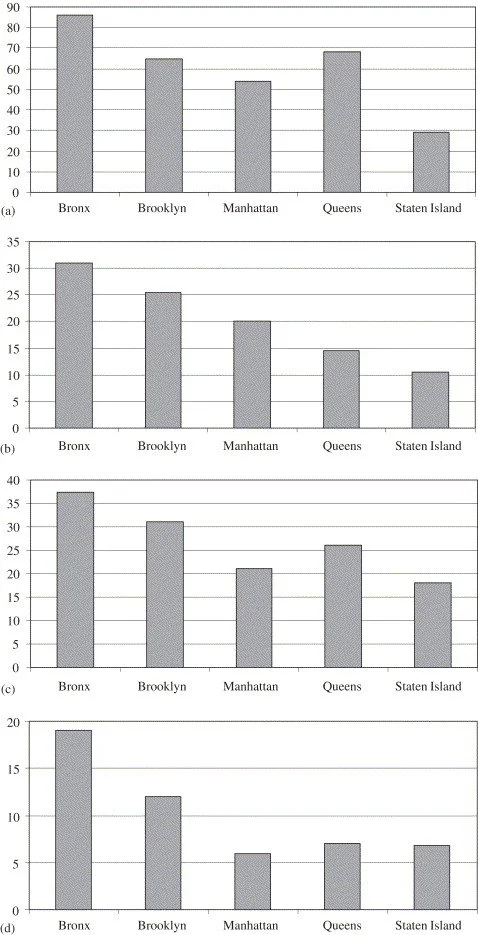
Recently, I had the privilege of attending "The Black Hive" during Climate Week. The event was a powerful testament to the necessity of uplifting Black climate activists and speakers, ensuring their voices are at the forefront of the global conversation. The sessions provided insights into how climate change disproportionately impacts Black neighborhoods. It was deeply saddening to learn how poor housing quality combined with a stark lack of green space intensifies the heat in certain neighborhoods of The Bronx. These urban heat islands make everyday life significantly more challenging and dangerous for residents.
The textbook explains that marginalized communities often bear the heaviest burden of environmental hazards due to systemic inequities in urban planning. The intense heat experienced in neighborhoods with little vegetation is a direct consequence of built environments lacking the natural cooling services that green spaces provide. Despite the gravity of these challenges, the event was not solely focused on hardships. It was a space for connection and tangible action. We participated in stations to build and paint birdhouses and feeders, which will be installed in various neighborhoods to foster local biodiversity. This activity served as a practical application of the concepts discussed in our class and highlighted the importance of ecological restoration and supporting biodiversity even within densified urban areas.
To be clear, the panelists did not change my fundamental views on climate change. Instead, they profoundly reassured my existing stances. Seeing these intersections of racial equity and climate science validated the importance of taking an intersectional approach to environmental work. The event left me more eager to learn from our current coursework, armed with a clearer understanding of how climate change specifically affects Black urban areas. I am now more committed than ever to being part of the collective force working to change these areas for the better and fighting for a more equitable, sustainable future.