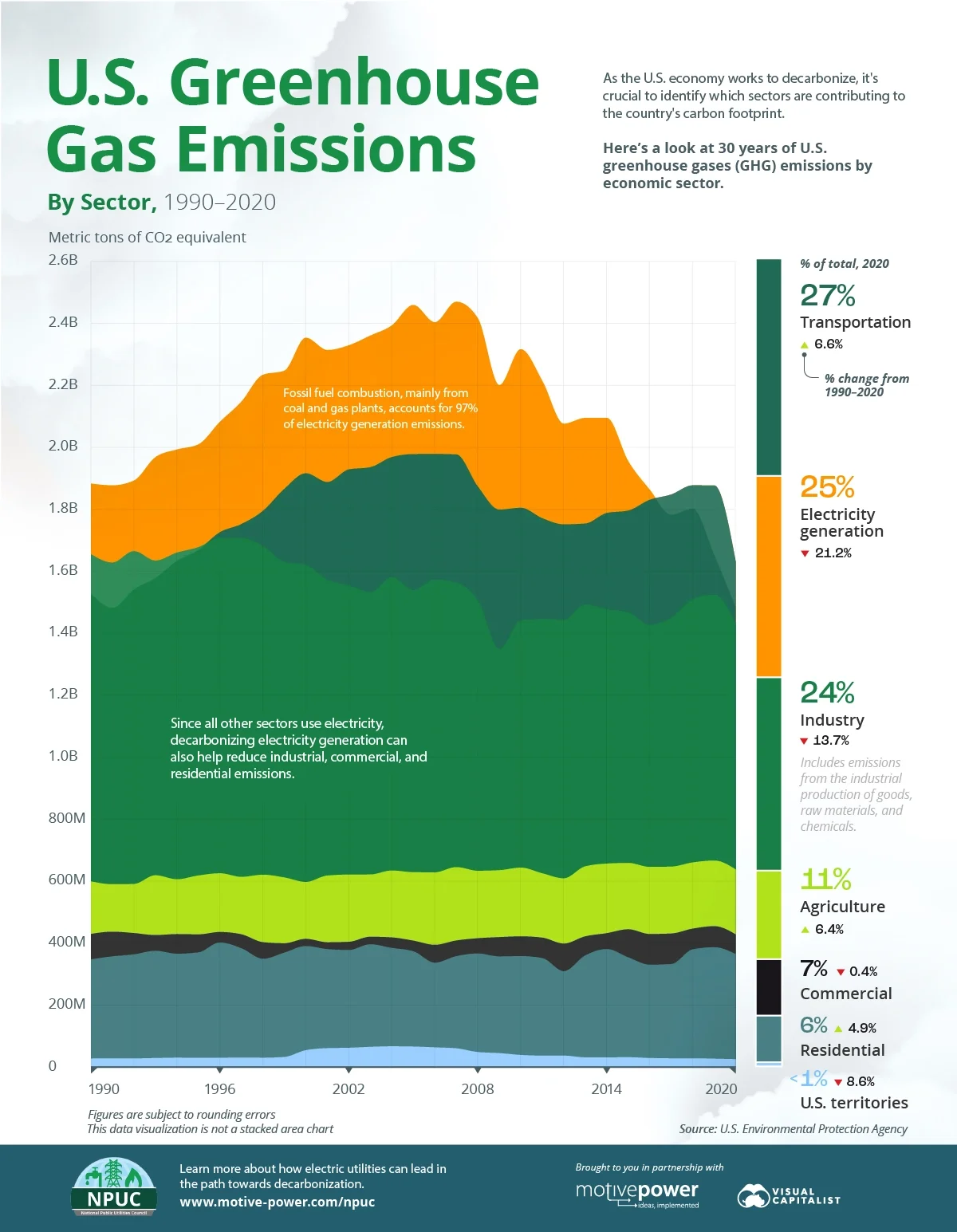
Air pollution, climate change, and ozone depletion are not isolated environmental issues; they are intense, interconnected consequences of the choices societies make regarding energy production, transportation networks, and industrial processes. Understanding these issues is critical, as they pose multiple risks to human health and the integrity of global ecosystems. Air pollution, characterized by particulate matter and harmful gases, directly compromises respiratory and cardiovascular health . Climate change, meanwhile, shifts global temperature norms and intensifies extreme weather events, destabilizing ecosystems and human settlements. Concurrently, ozone depletion increases exposure to dangerous ultraviolet (UV) radiation, which threatens skin health and disrupts agricultural productivity.
Addressing these challenges requires a well-thought, multi-pronged approach. Implementing stricter pollution limits on vehicles, power plants, and industrial facilities is essential for immediate public health improvements. Beyond regulation, the transition to renewable energy sources, such as wind, solar, and geothermal, coupled with significant improvements in energy efficiency, is vital to decoupling economic growth from greenhouse gas emissions. Expanding public transit and redesigning urban centers to reduce reliance on private vehicles can further cut emissions while enhancing community livability. These transformations, while necessary, require substantial investment and, crucially, deliberate social planning. We must ensure a smooth transition for workers and communities currently dependent on fossil fuel industries, offering support, retraining, and investment in sustainable, localized alternatives. Furthermore, protecting and restoring global forests is a necessary strategy to absorb carbon dioxide. However, it must be recognized that forests have finite capacity and face increasing vulnerability to wildfires and land-use changes.
The global response to ozone depletion, exemplified by successful international cooperation through the Montreal Protocol, offers a blueprint for environmental governance. By restricting the production and use of ozone-depleting substances, the international community demonstrated that coordinated action could effectively mitigate a global threat. While this effort remains a benchmark for success, it also highlights the necessity of long-term monitoring, as ozone recovery is a slow process and new environmental pressures continue to emerge.
Effective policy development relies on trusting science. We require deeper insights into how climate change specifically impacts local communities, diverse ecosystems, and global food security. Understanding the connection between different pollutants is equally important. Consequently, we need consistent, high-resolution measurements of air quality, greenhouse gas concentrations, ozone levels, and comprehensive public health outcomes. Beyond data collection, we must evaluate which solutions deliver the greatest environmental and social benefits in a profitable manner across different geographic regions.
Finally, reducing greenhouse gas emissions is a necessary but insufficient goal. We must also deploy comprehensive strategies like controlling health-harming pollutants, safeguarding the ozone layer, implementing robust adaptation measures for communities already feeling the impacts of climate change, and aggressively conserving threatened ecosystems. A complete, sustainable response must integrate prevention, adaptation, scientific research, and global cooperation. Treating these challenges as interconnected, and placing human dignity and sustainable development at the center of the solution, is essential for securing a promising future for all.
(479)
References
World Health Organization, "Ambient (outdoor) air quality and health," https://www.who.int/news-room/fact-sheets/detail/ambient-(outdoor)-air-quality-and-health.
Intergovernmental Panel on Climate Change (IPCC), "Sixth Assessment Report," ipcc.ch.
UN Environment Programme (UNEP), "Ozone science and policy," ozone.unep.org.
UN Environment Programme (UNEP), "The Montreal Protocol on Substances that Deplete the Ozone Layer," ozone.unep.org.