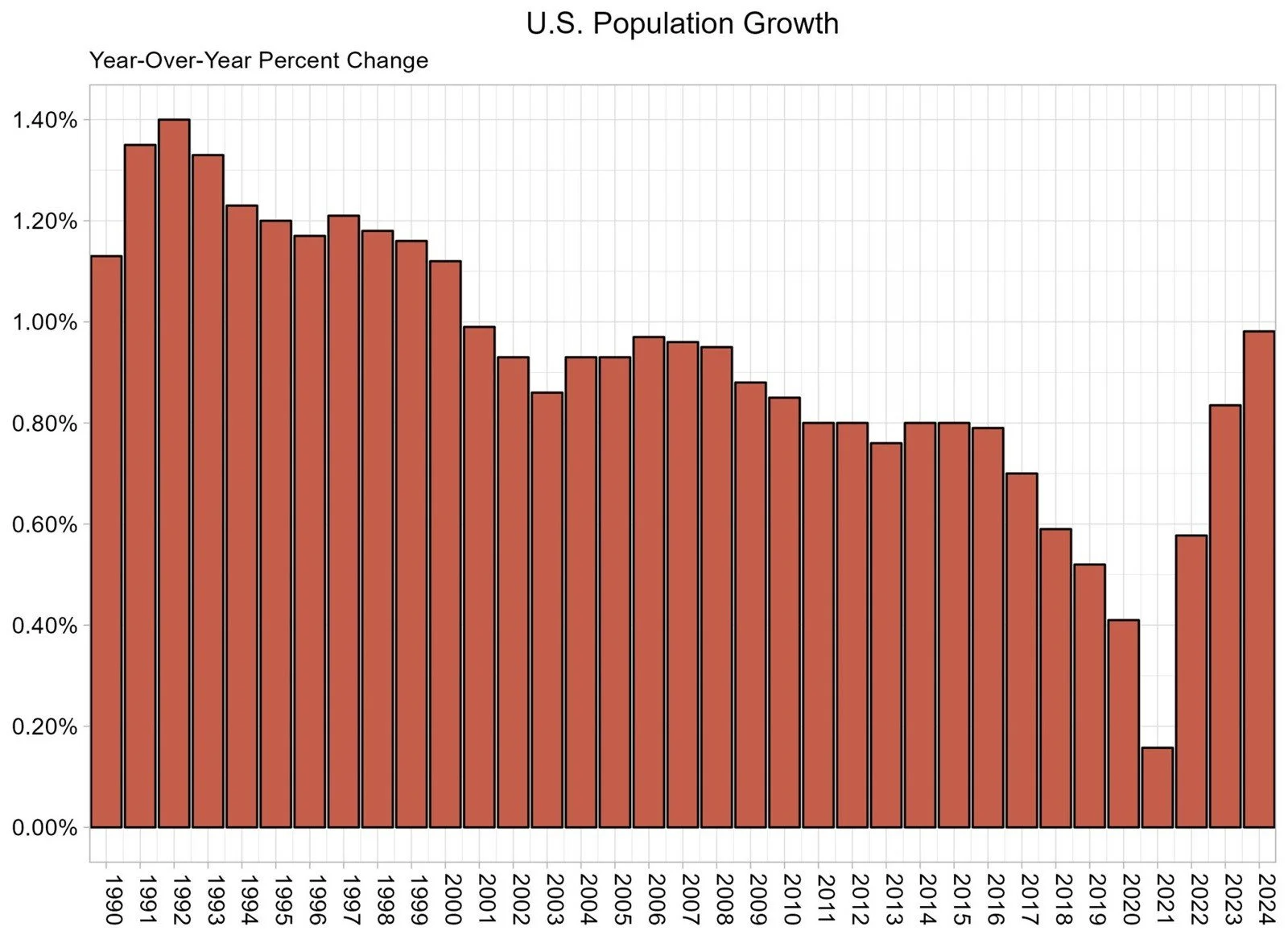
Over the past two centuries, the human population has experienced dramatic acceleration. This growth has been largely driven by significant advancements in agriculture, sanitation, and medical technology, which have markedly reduced mortality rates and extended life expectancy globally. However, this demographic transition is not uniform; population growth remains unevenly distributed, with a large portion of future expansion expected to occur in developing countries. In these regions, poverty and limited access to essential services, such as healthcare, clean water, and education, commonly enhance the basic needs of growing communities who need and deserve them.
This raises complex ethical questions regarding the relationship between human numbers and the capacity of planetary systems. While it is true that natural processes can influence population numbers, equating these natural limits to deliberate, state-imposed population control policies is a dangerous, some would say intentional, leap. From an ethical standpoint, such coercive measures are fundamentally flawed, as they violate individuals freedom and the basic right to self autonomy. Describing a process as natural does not inherently connect it with ethical justification, therefore policies that restrict reproductive freedom remain unacceptable.
At the same time, the environmental effects of population growth deserve careful consideration. They cannot be understood through population numbers alone. The pressure people place on the environment depends both on the size of the population and on patterns of resource consumption and distribution. A person’s environmental impact is shaped by how much energy, food, land, and other resources they use, as well as by the systems that make those resources available.
This is why it is important to consider differences between affluent and developing regions. High-consumption lifestyles in wealthy countries can place a disproportionate burden on global ecosystems. In poorer communities, meanwhile, inequality and limited access to services can restrict people’s choices. When healthcare, education, and voluntary family-planning services are difficult to access, people may have fewer opportunities to make informed decisions about their lives and families. Addressing these conditions is more ethical than blaming population growth alone.
Most importantly, individuals should be able to decide whether and when to have children without pressure, punishment, or imposed corrective measures. Respecting that freedom is not separate from environmental sustainability but it is part of an ethical response to it. As the protection of biodiversity depends on understanding the connections within biological systems, sustainability depends on recognizing the connections between people’s well-being, their rights, and the environment.
Consequently, ethical approaches to population control must be rooted in voluntary, rights-based frameworks. Rather than enforcing population control, true progress lies in empowering individuals. This includes guaranteeing universal access to comprehensive family planning and contraception, prioritizing education, fostering poverty reduction, and ensuring equal opportunities for anyone involved. Empowering individuals to decide if and when to have children, free from external pressure or corrective measures, is a cornerstone of this approach. Just as the protection of biodiversity relies on understanding of biological systems being connected, environmental sustainability depends on recognizing that human dignity and rights are inseparable from the solution. By fostering equity and respecting autonomy, societies can address population and environmental challenges in a manner that upholds the fundamental value of human life.
(521)
References
Lumen Learning, "Human Populations," Earth Science, courses.lumenlearning.com.
Population Education, "How is Population Growth Connected to Strengthening Global Health?," populationeducation.org.
Fred Pearce, "Consumption Dwarfs Population as Main Environmental Threat," Yale Environment 360, e360.yale.edu.
RAND Corporation, "Population and Environment: A Complex Relationship," Research Brief, rand.org.
World Health Organization, "Sexual and reproductive health and rights," who.int.